
Nueva York
A weekend we'll never forget...

LA BANDERA EN BUSHWICK:
The Politics of Puerto Rican Pride
June, 15th 2026
It rained last night. The rumble of thunder and flashes of lightning were a sort of catharsis, as if the city was letting out one long exhale, the pent-up excitement of the past two days released in the steady deluge of rain. Waking up this morning, the city was, for the first time in two days, quiet. Its long, exasperated sigh had settled over the city like a blanket, a far cry from the chaos of Saturday night and the joy of Sunday morning.
If you’ve been living under a rock, then let me be the first to tell you that the Knicks are NBA Champions. For a kid who cried in 1999 watching them lose to David Robinson and Tim Duncan, this championship means more to the city than you realize. I am aware it’s a game, but even games can have meaning, and for the people of New York, it’s a sign that our city is coming to life, despite the past few years and the continued challenges faced by the Big Apple.
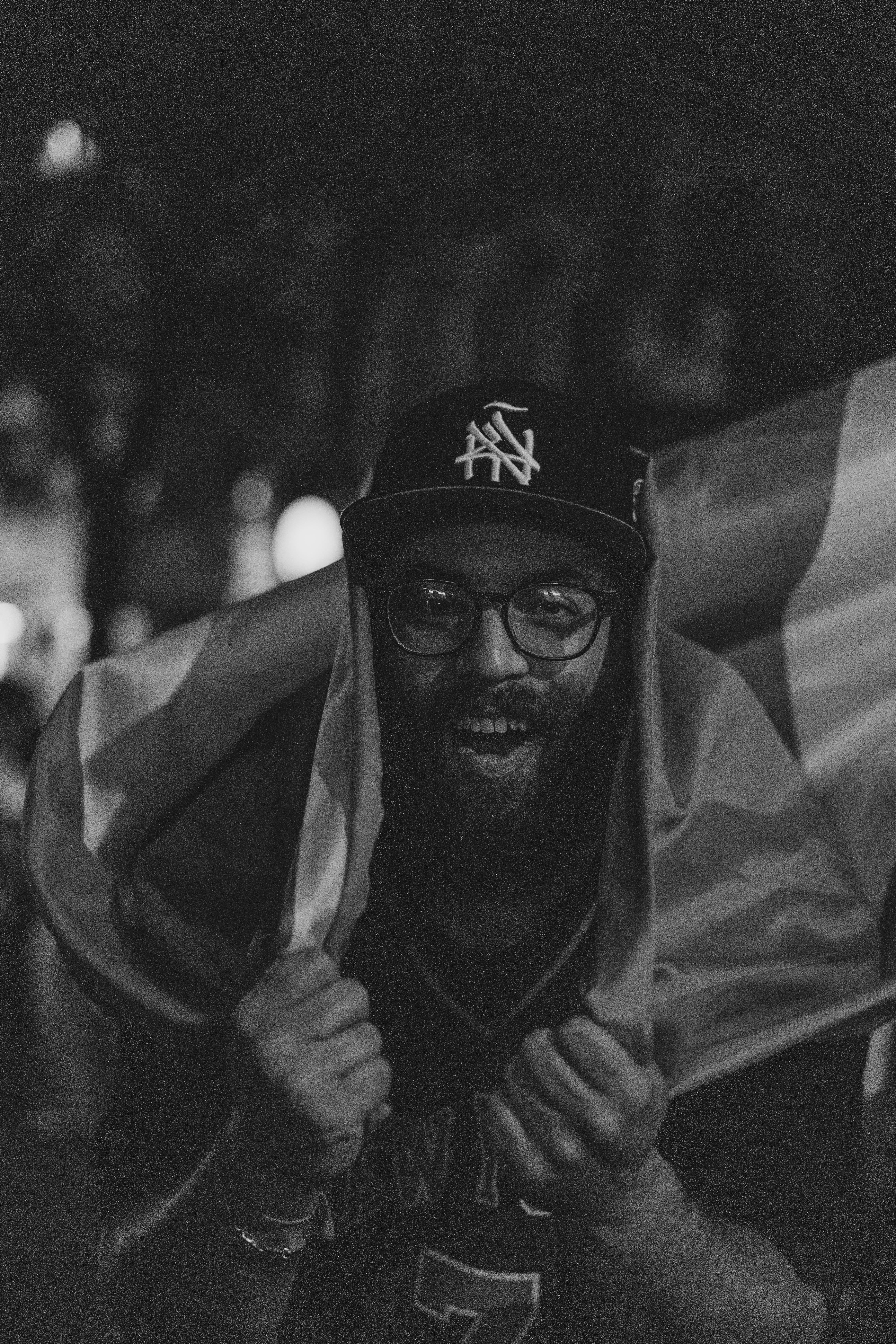
For me, this weekend was particularly special because I got to see a son of Borikén and a son of Brooklyn raise his flag on national television. This is a flag that the Puerto Rican government banned in 1948 when the US-backed Puerto Rican legislature signed the Ley de la Mordaza, the Gag Law, making it illegal to fly the Puerto Rican flag, to sing a patriotic tune, to speak or write of independence, or to meet with anyone or hold any assembly in favor of Puerto Rican independence. And yet, there was José Alvarado on national television, waving that very same flag. In many ways a sign of all our progress since, and also how far we have left to go.
It was fitting then that the next day was the Puerto Rican Day Parade, where thousands of flags filled the streets of New York City, and loud cries of Yo soy Boricua, pa’ que tú lo sepas, echoed through Brooklyn and beyond.
Ironically, it was the United States’ own Flag Day, and not a US flag was in sight. And maybe this says something about what the US is at its best and also its worst. For Nuyoricans, Puerto Ricans born in NYC, there’s a double consciousness we carry. Ni de aquí. Ni de allá. Not from here, not from there. It’s a diasporic cliché. And a cliché in part because it’s true. Watching José hoist his flag felt different this time. It was a stark reminder that culture can’t be contained by geographic boundaries, that it can evolve. Grow. Flourish in new soil.
My grandparents and those like them took a seedling of Borikén and planted it between the cracks in the sidewalk. Even as we endured hardship. NYC became our isla, our home. We aren’t less Puerto Rican because of it; in many ways, we are more Puerto Rican in light of it.
When I talk to friends born and raised in the archipelago, there’s a running joke that no one’s prouder to be Boricua than Boricuas born in the states. Sometimes, this is met with cynicism. Puerto Ricans on the island endure struggles we don’t in the States/ They feel the pain of being those left behind and those forced to choose between staying and leaving. While the struggle takes on different shapes, it is still at its root the same struggle, the same story—a people trying to make their way in a world that wanted their flag banned. It’s a story in two different accents, Español and Spanglish, Caribbean heat and city grit.
Thus, to be Puerto Rican is to be political. Our pride in our culture is as much a political statement as a cultural one. Our history sits at the intersection of indigenous genocide, African enslavement and resistance, and European-American Imperialism. Waving our flag is a political act. It has to be. It has to be because there is no raising the flags without invoking Puerto Rico’s colonial reality. And here is maybe the rub between island-born Boricuas and those in the diaspora. In the diaspora orgullo, pride, can become tantamount to posturing and pantomime. Many of us are guilty of waving our flag while supporting policies and politicians that actively contribute to the continued subjugation of our homeland.
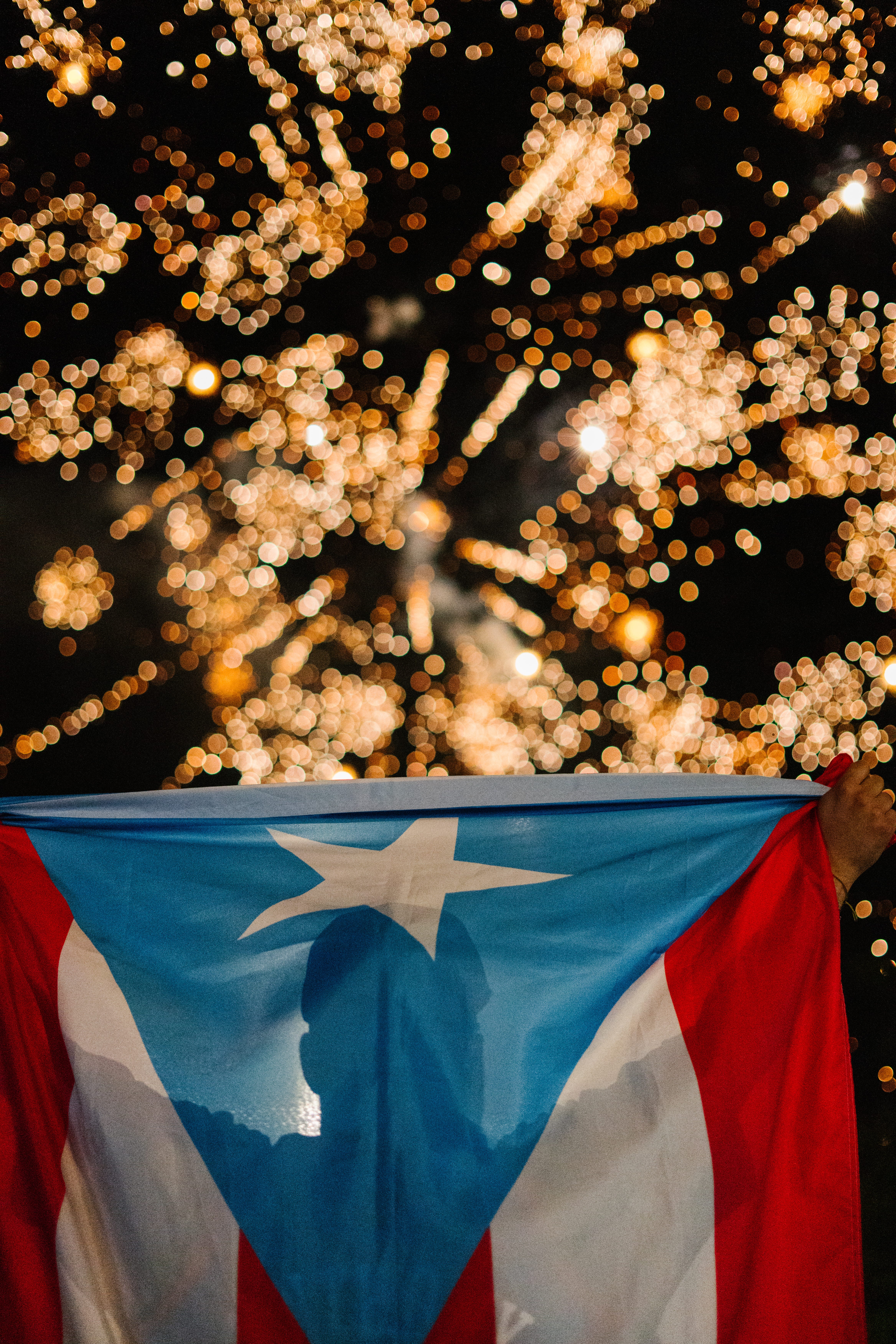
This is the danger of the diasporic mode in a colonial context. A generation or two removed from the island, it’s easy to forget that we are outsiders in a system designed to entice enough of us to keep the status quo and alienate enough of us to exclude us from any meaningful change. In light of this, it is incumbent upon those of us in the diaspora not simply to raise our flags but to care about our people and our archipelago’s future. To draw a line between cultural pride and political resistance. When Jose raises his flag, the azul claro, it’s a political choice. The question is: do we see his actions as political, or do we reduce them to a moment of cultural pride? If we can’t see the two together, then we don’t really understand the Puerto Rican reality.
Puerto Rico is a transnational nation. The island is intimately linked to the diaspora. While the island is 100x35, its nationhood extends beyond it. For the diaspora, this presents a challenge and responsibility. Will we own our role in the future of our archipelago and the future of our people, or will we cosplay puertorriqueñidad without any care for our island’s future?
To be Nuyorican is to live with the responsibility of a double consciousness. Not to guilt ourselves over our parents’ decision to leave la isla nor to pretend we are the same as our island brothers and sisters. Like Alvarado, we raise our flag, take up our space, and allow our cultural pride to fuel our political engagement. This means we need to listen. When our families back on the island complain about Luma or El Proyecto Esencia, we need to listen, be informed, and be humble enough to recognize that our shared culture doesn’t give us the right to insert ourselves into the solution. It means raising our flags in Bushwick AND caring about water distribution issues in Bayamon. Until then, it’s just cosplay. So, write your representatives. Do your reading. Learn to listen. The flag isn’t just a symbol, it’s a statement. Wave it like you mean it.
Puerto Rico no se vende. Puerto Rico libre.
NUEVA YORK

We took the plunge, dove through
open sky, and tortured sea,
settled our heads on concrete,
made beds out of asphalt,
traded coquís for the rumble
of buses tumbling down
Graham or as we say
Gra-ham—taking this island
of metal and stone, giving it
a name to remind us of home.
We didn’t ask for change,
or to leave loved ones alone,
but raised to weather storms,
thunder’s in our bones
like Lavoe and Colón,
we took this city
and made it our own.
It’s why we’re still here
and why we still stand.
We took our island,
lifted it from the sand
and planted our roots
between concrete cracks,
waving flags they wanted banned.
So say it loud, say it proud,
say it with your chest:
Yo soy boricua—
the flag will do the rest.